Today (Wednesday 11th February) marks the International Day of Women and Girls in Science.
Here are just a few of many trailblazing women in epigenetics that I find inspiring:
Barbara McClintock
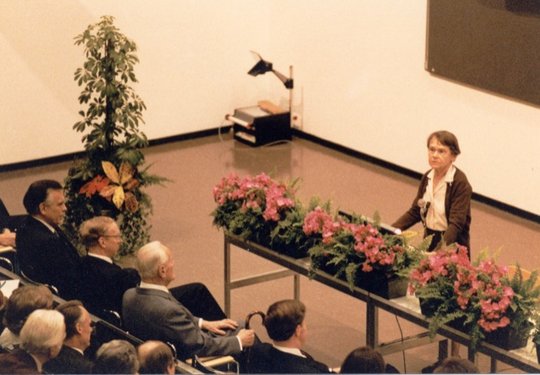
Barbara McClintock was an American biologist, and one of the first scientists to postulate that genes had to be switched on and off, even before the double helix structure of DNA was discovered.
She is best known for her work in maize plants, where she discovered that some genes were able to “jump” around the genome, a revolutionary discovery which changed the way we think about inheritance and development. These are now termed transposable elements.
Although this discovery was met with disbelief and even “hostility” from the academic community at the time, she eventually won the Nobel Prize in Physiology or Medicine in 1983 for this work.
Nessa Carey
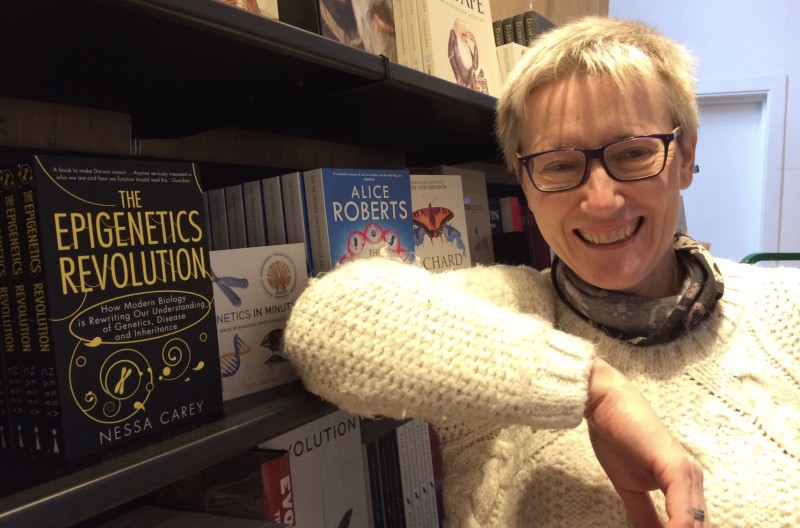
Epigenetics is a relatively new field, and as such, there were not many people involved in communicating epigenetics research to the public. Nessa Carey’s book, The Epigenetics Revolution, launched the field into the public eye for perhaps the first time.
And on a more personal level, this book is what got me interested in epigenetics in the first place.
I had an interest in human genetics from around 15/16, but up to this point it was very much taught that our genes existed in a kind of vacuum in the cell. I hadn’t realised how much our genome interacted with the surrounding world, and how important this was to our lives, until I read this book before heading off to start my undergrad.
The Epigenetics Revolution made me realise how complex our biology really is, and inspired me to pursue this field of research as a career path 🙂 Genuinely, PLEASE read it. It’s so good!
Susan Clark
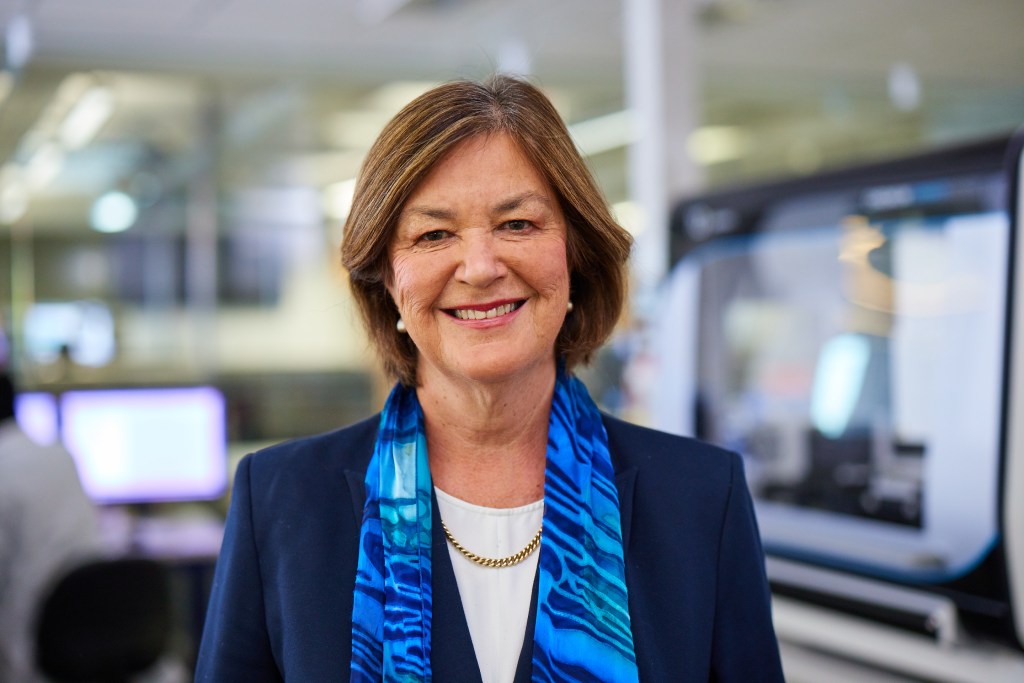
Susan Clark developed the first method to sequence the locations of methylation marks across the genome, known as bisulphite sequencing. This technique is remarkably sensitive — the original experiment required the DNA of only 100 cells, and zooms in to see whether individual bases are methylated or not (single-base resolution).
It’s still considered one of the gold standards for looking at methylation today, over 30 years on from the paper’s original publication.
Asifa Akhtar
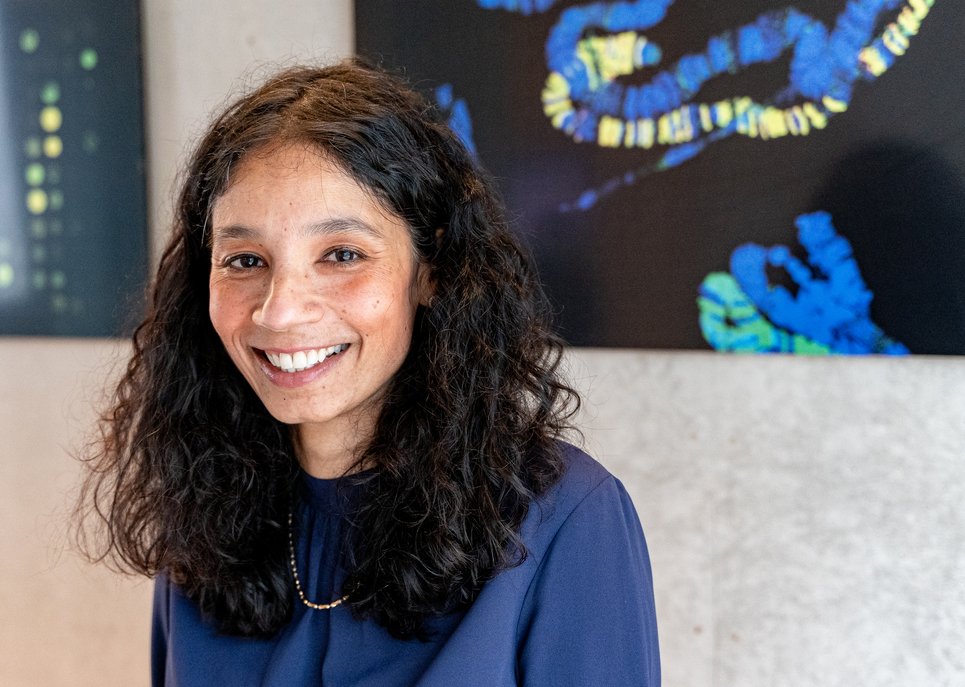
Asifa Akhtar is a Pakistani biologist who won the FEBS/EMBO Women in Science Award in 2025 for her impactful research on how non-coding RNAs — types of RNAs which don’t go on to make proteins — and other epigenetic mechanisms, particularly histone acetylation, contribute to the fine-tuning of gene expression in fruit flies.
She has also made considerable efforts to bring attention to gender equality in science in both Germany and Pakistan, and is considered a leading figure in modern developmental epigenetics.
Mary Lyon

Mary Lyon, while working in radiation labs in the 1960s, discovered the phenomenon of X chromosome inactivation, which many groups are still uncovering the mechanisms of today.
In our cells, we all have two copies of the X chromosome, however, one must be randomly inactivated in order to prevent our cells receiving a double dose of the same genes, which could be fatal.
“I didn’t foresee all of the importance of it, but I did think it was going to be important for human genetics, yes.”
Mary Lyon on her discovery of X inactivation in an interview from 2004
…and I am sure there are many more!

 The Chromatin Digest
Leave a comment